Published : 2024-12-05
On 4 December 2024, the United Nations Educational, Scientific and Cultural Organisation (UNESCO) passed its review and inscribed China's nomination, "Spring Festival — the social practices of the Chinese people in celebrating the traditional New Year," on the Representative List of the Intangible Cultural Heritage of Humanity.
China now has a total of 44 items listed on the UNESCO intangible cultural heritage lists and register, ranking first in the world in total number.
Spring Festival: A long history fostering identity and continuity
According to an explanation released by the Intergovernmental Committee for the Safeguarding of the Intangible Cultural Heritage, the Spring Festival marks the beginning of the new year in China, with the first day of the first month of the traditional calendar as the start of the year.
"Around the Spring Festival, people engage in a series of social practices to bid farewell to the old and welcome the new, pray for blessings and good fortune, celebrate family reunions, and promote community harmony".
During the Spring Festival, or called "Guonian" (過年, meaning "the passing of the year") in Chinese, in addition to participating in public celebrations, people also worship heaven, earth, and ancestors, and pay "New Year visits" to elders, relatives, friends, and neighbours to express good wishes.
The Spring Festival has a long history, originating from the primitive beliefs and nature worship of early humans.
In ancient times, people would hold sacrificial ceremonies at the beginning of the year to pray for abundant harvests and the prosperity of people and livestock in the coming year.
Over time, these sacrificial activities gradually evolved into various celebratory activities, eventually forming the Spring Festival of today.
In ancient times, "Sui" (歲) was a tool for harvesting and sacrifice, and the Chinese character "Nian" (年) signifies the ripening of crops, embodying people's longing for a better life.
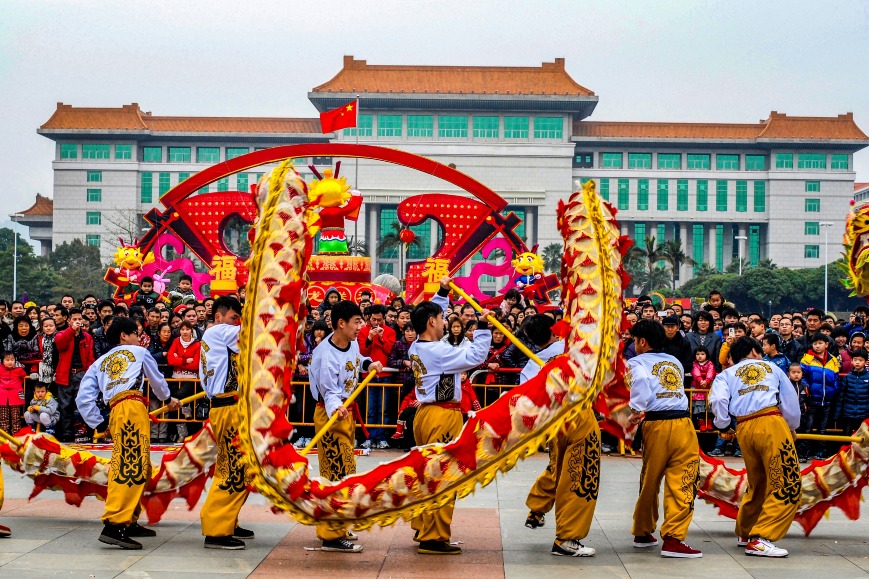
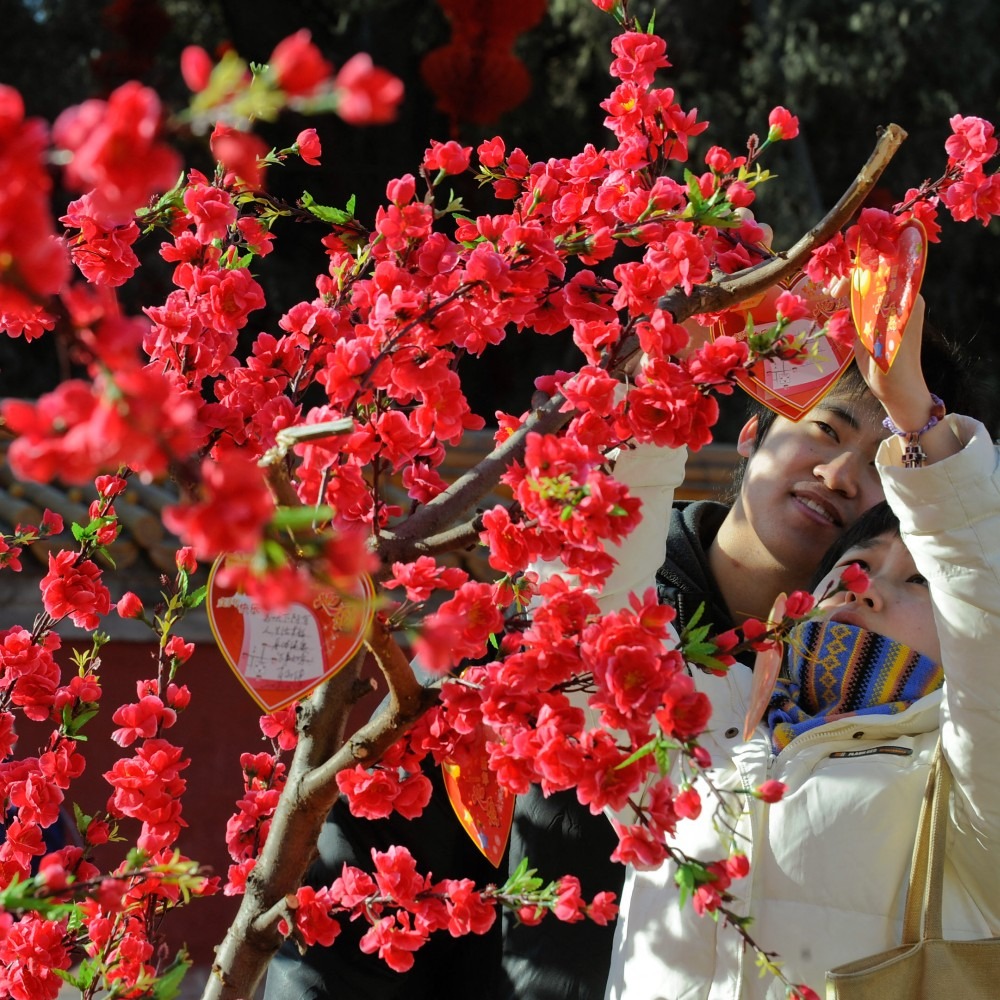
There are many folk customs for the Spring Festival, including pasting Spring Festival couplets, pasting New Year pictures, pasting the "Fu" (福, meaning "blessing") character, eating dumplings, having a New Year's Eve dinner, staying up on New Year's Eve, giving lucky money, paying New Year visits, and visiting temple fairs.
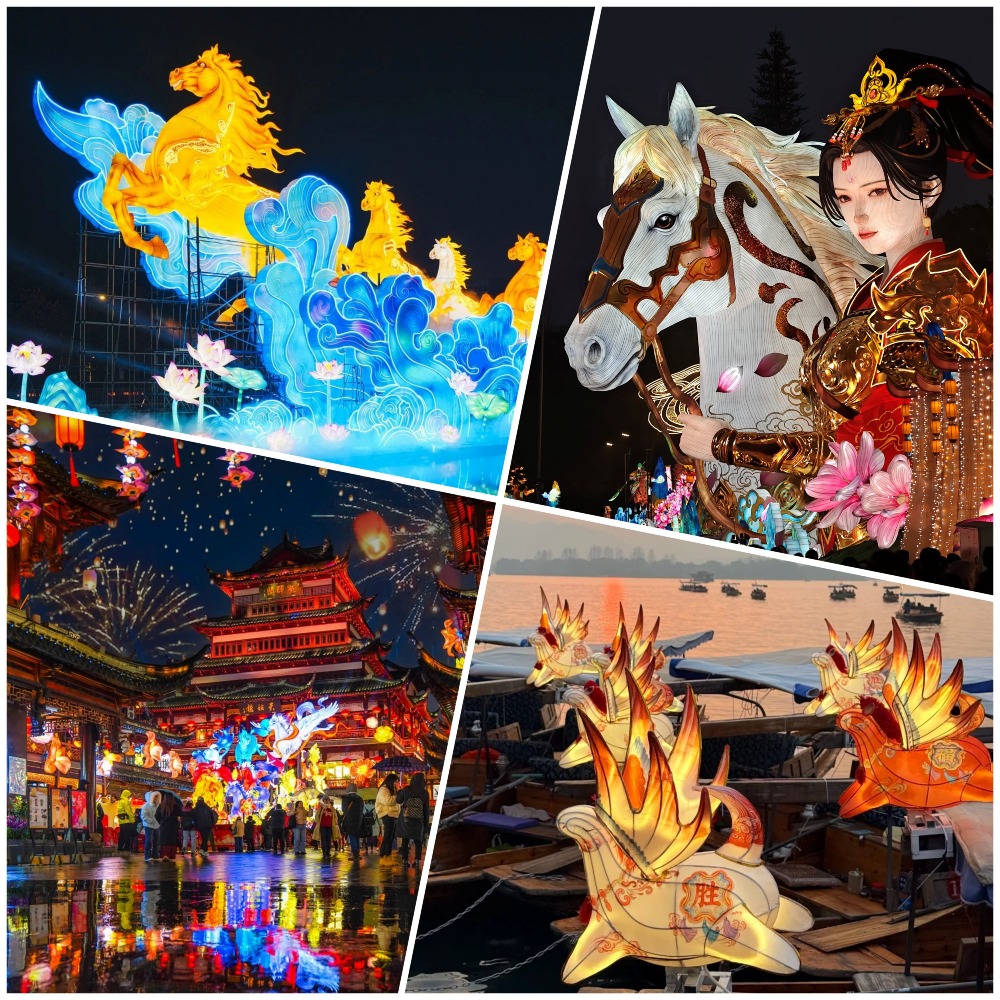
The custom culture of China's New Year, or the Spring Festival, has a long and rich history, with a wide variety of New Year customs developing across the country, differing greatly between the north and south, each with its own unique characteristics.
Chinese Spring Festival perpetuates Chinese civilisation
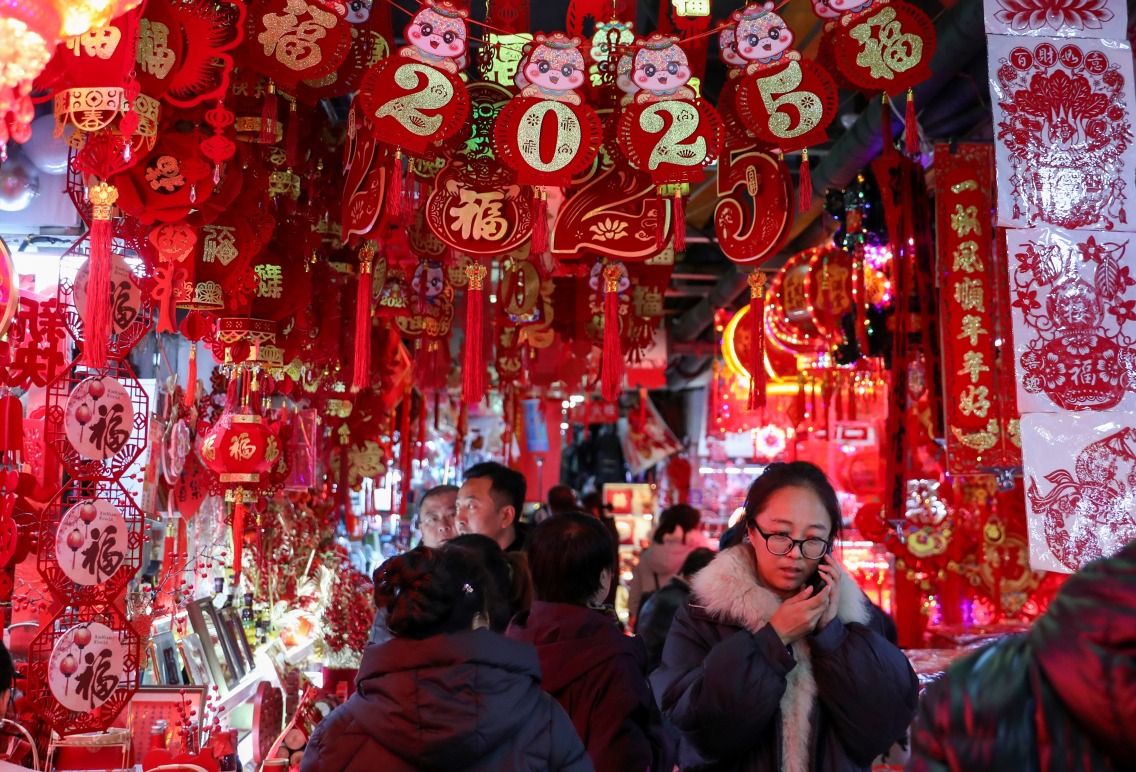
Official Chinese media have pointed out in media reports that the Spring Festival is the traditional festival in China with the most profound meaning, the richest content, the largest number of participants, and the most widespread influence.
Around every Spring Festival, Chinese people all over the world celebrate the festival, centred around themes such as bidding farewell to the old and welcoming the new, praying for blessings and good fortune, and family reunion and harmony.
For thousands of years, the Spring Festival has continuously maintained and strengthened the emotional bonds of individuals, families, and the nation, playing an important role in the continuation of Chinese civilisation.
As its reach expands overseas, the Spring Festival has become a symbol of Chinese culture that is widely accepted, recognised, and appreciated by the world.
"Spring Festival — the social practices of the Chinese people in celebrating the traditional New Year" is shared by the Chinese people and is widely practised throughout the country.
It embodies the Chinese people's ethical sentiments and feelings for family and country, reflects the values of harmonious coexistence between man and nature and amity among people, and plays an important role in promoting family amity, social harmony, economic development, and environmental protection.
Its inclusion on the Representative List of the Intangible Cultural Heritage of Humanity will be of great significance for enhancing the cultural identity of Chinese people at home and abroad, practising the Global Civilisation Initiative, and promoting the building of a community with a shared future for mankind.
Chinese Spring Festival is observed as a public holiday in nearly 20 countries and regions
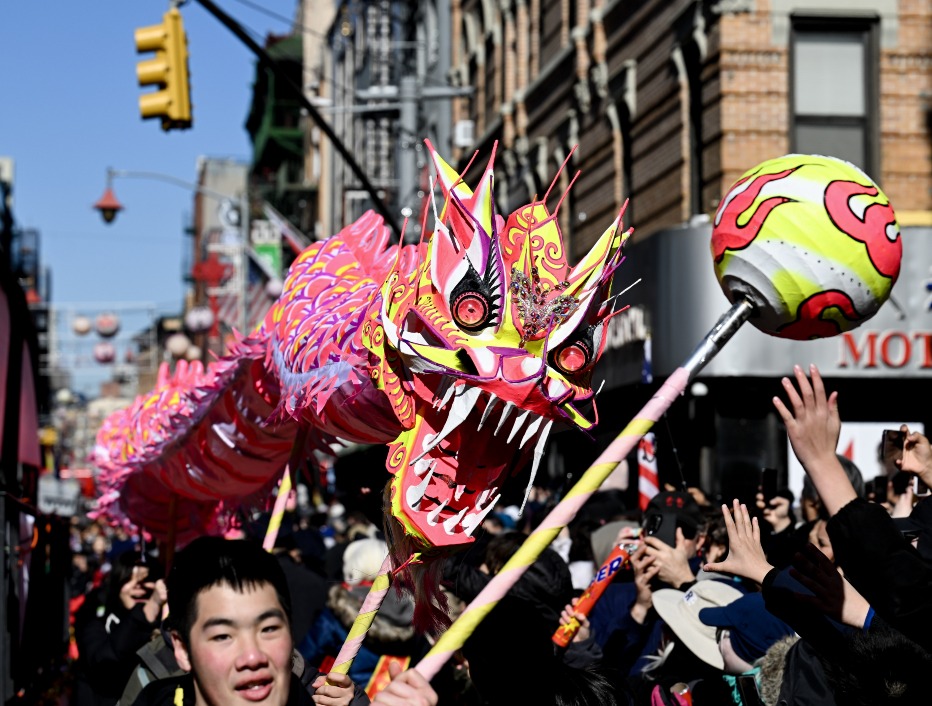
In fact, as the most important traditional festival in Chinese culture, the influence of the Spring Festival is constantly expanding.
According to incomplete statistics, nearly 20 countries and regions in the world have made the Spring Festival a public holiday, and the folk activities of the Spring Festival have reached nearly 200 countries and regions, making it a global cultural event.
Singapore and Malaysia have designated the Spring Festival as a national public holiday, and every year during the Spring Festival, locals hold grand celebrations.
Even Western countries with completely different cultures are paying increasing attention to the Spring Festival. For example, since 2017, Canada has designated the Spring Festival as a shared festival for all Canadians.
New York City in the United States also passed the "Lunar New Year Resolution" in February of this year, officially making the Lunar New Year a public holiday.
Read more: 1,400 years of continuous kiln fire: How did Shaanxi remodel "The Pottery Capital"?
Read more: Unveil the secrets of the Qianlong Garden in China's Forbidden City